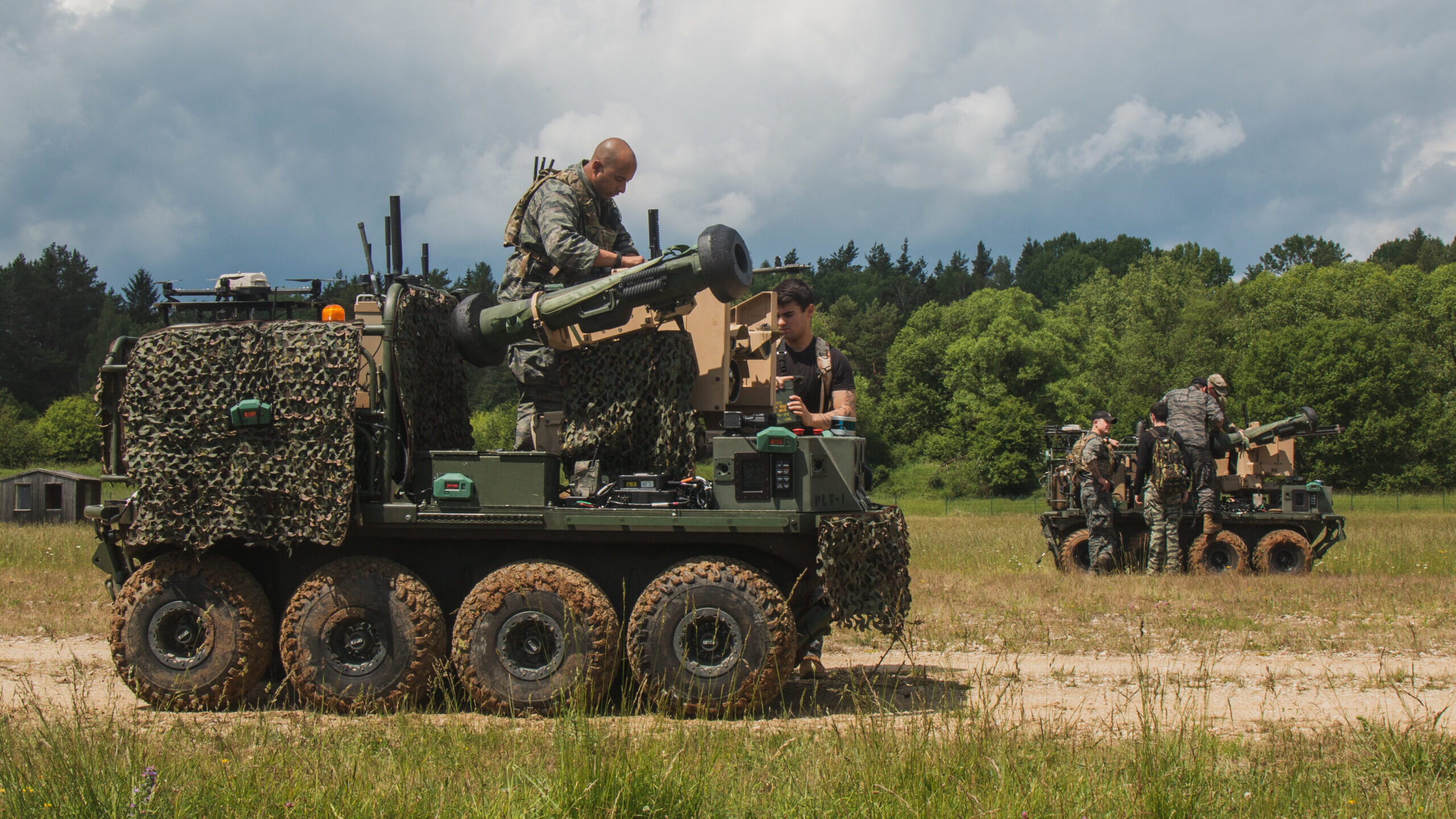
‘Lightning in a bottle’: Inside the ‘Origin’ of the Army’s future robotic fleet
The Army's Project Origin robots have already changed the battlefield in exercises, but the office running the program says they're just getting started.
The Army's Project Origin robots have already changed the battlefield in exercises, but the office running the program says they're just getting started.

A June exercise provided insight into how robots can speed up the pace of battle, and how the US Army, and its allies, needs to plan to defeat them.

Lightning Surge exercises are turning soldier feedback on NGC2 into operational software changes in days, not years.
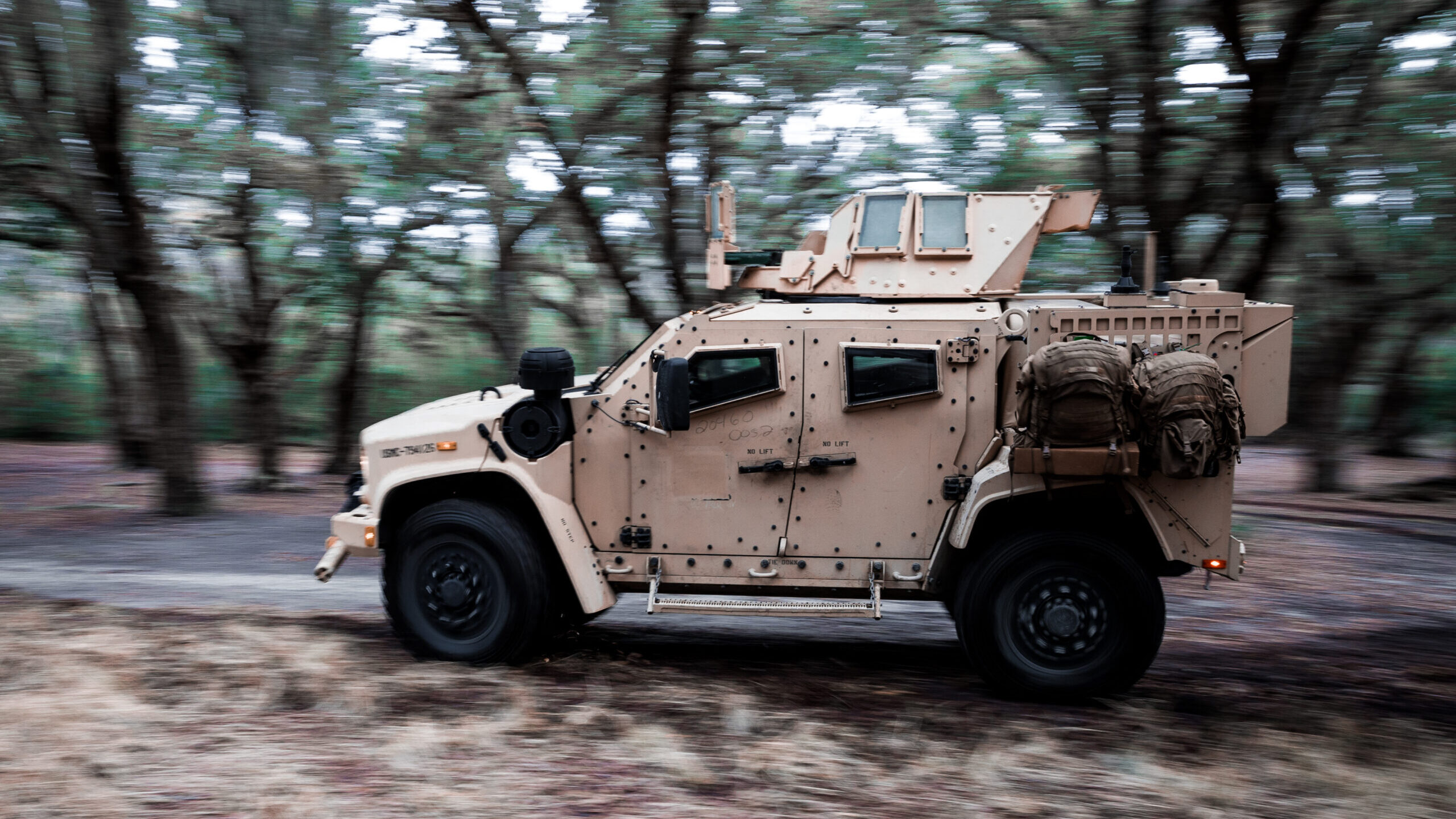
Battery research programs at the Army's Ground Vehicle System Center will help the Army's transition to hybrid and electric vehicles allowing quieter, longer duration operations.

The Army's Project Origin tech demonstrator helped clear objectives and mask soldier movements during a two-week experiment at Dugway Proving Ground, Utah.

"If you look at 2035 to field something hybrid, ... the technology is kind of there now," said Michael Cadieux, director of the Army's Ground Vehicles Systems Center.

The Robotic Combat Vehicle (Light), which can shoot missiles, launch mini-drones, and spot targets for artillery, combines a Marine Corps-tested unmanned vehicle with Army weapons and autonomy software.


As part of the DoW’s acquisition transformation, streamlined processes must be extended to all companies in the defense industrial base.


Fresh off its first major win in the Army’s Infantry Squad Vehicle competition, GM Defense is bringing the commercial capabilities of General Motors to military vehicles.

Experimental Robotic Combat Vehicles are outperforming Army expectations. But soldiers are finding plenty of quirks to fix.
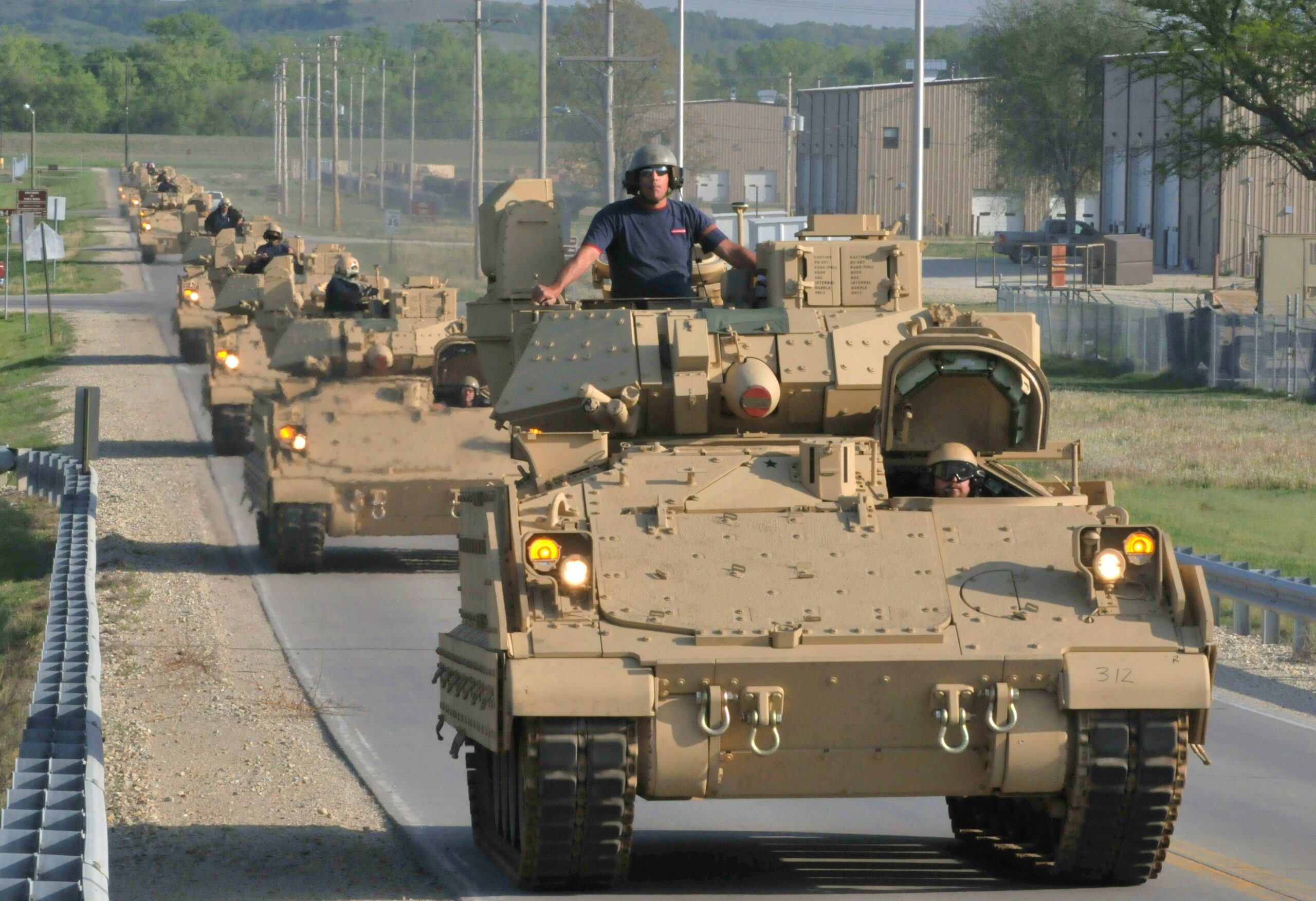
The 1,000-horsepower Advanced Powertrain Demonstrator could upgrade the M2 Bradley or drive new kinds of manned and robotic vehicles.
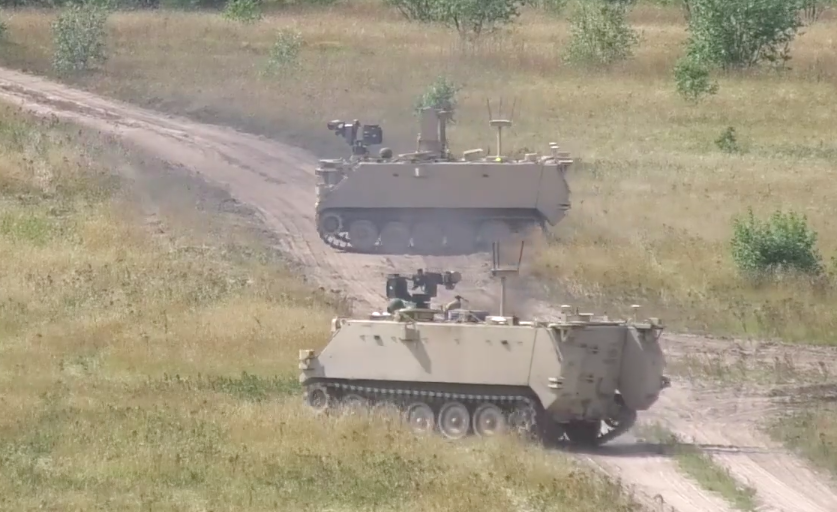
The US Army is field-testing a robot brain so versatile it can drive both tanks and trucks — even British Army lorries with the steering wheel on the wrong side.
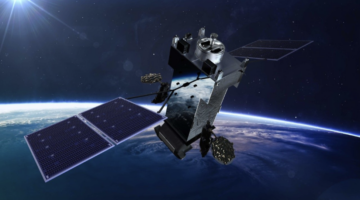
Multi-orbit mission capabilities are accelerating decision making across domains.

Will high-tech hardware developed to protect aircraft translate to the mud and dust of ground combat?
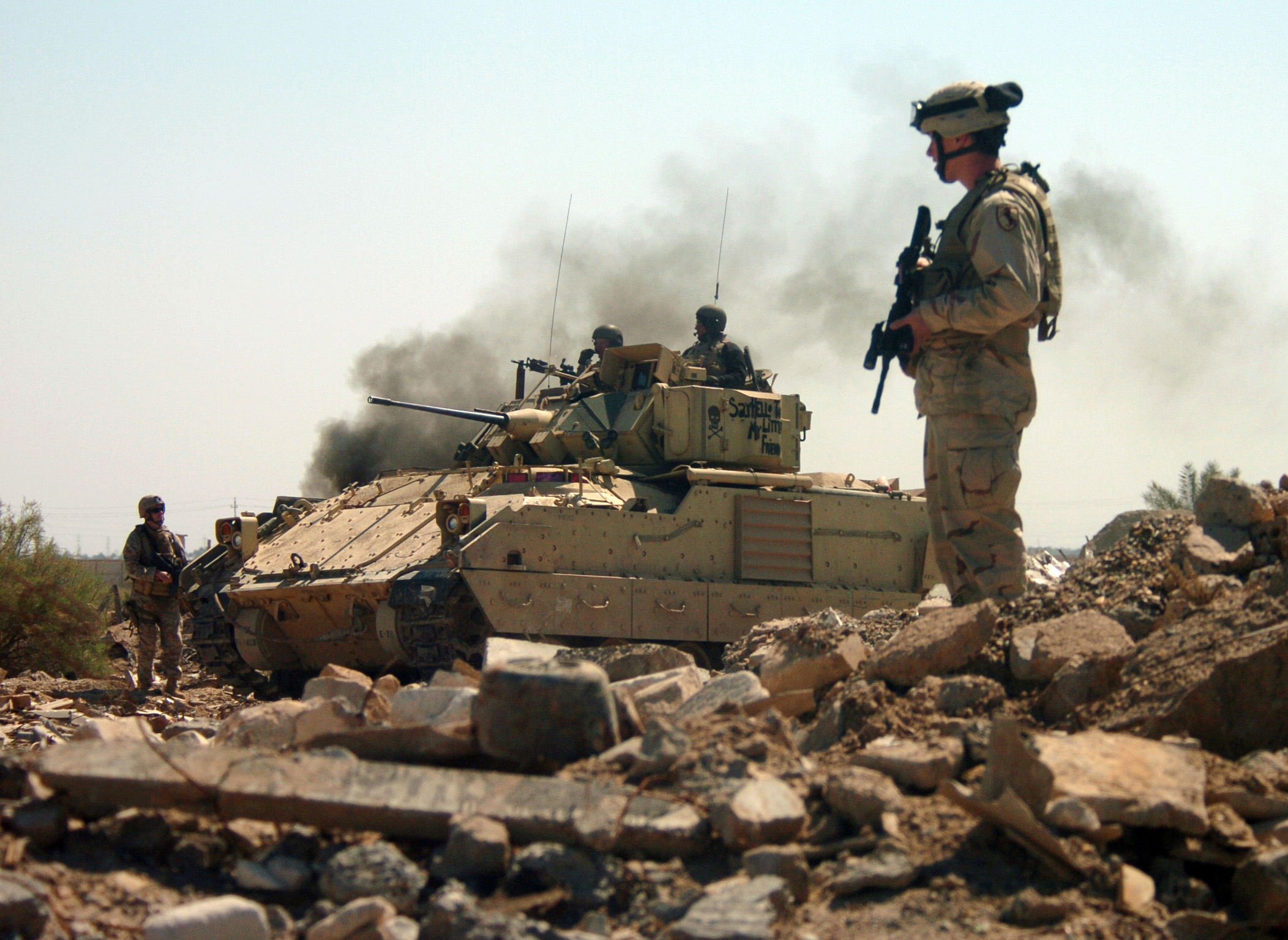
If RAVEN succeeds in the next, more challenging round of tests, the BAE jammer will ultimately go on the 1980s-vintage M2 Bradley. That's a big part of the Army’s urgent push to protect American armored vehicles against Russian-made anti-tank missiles in widespread use around the world.
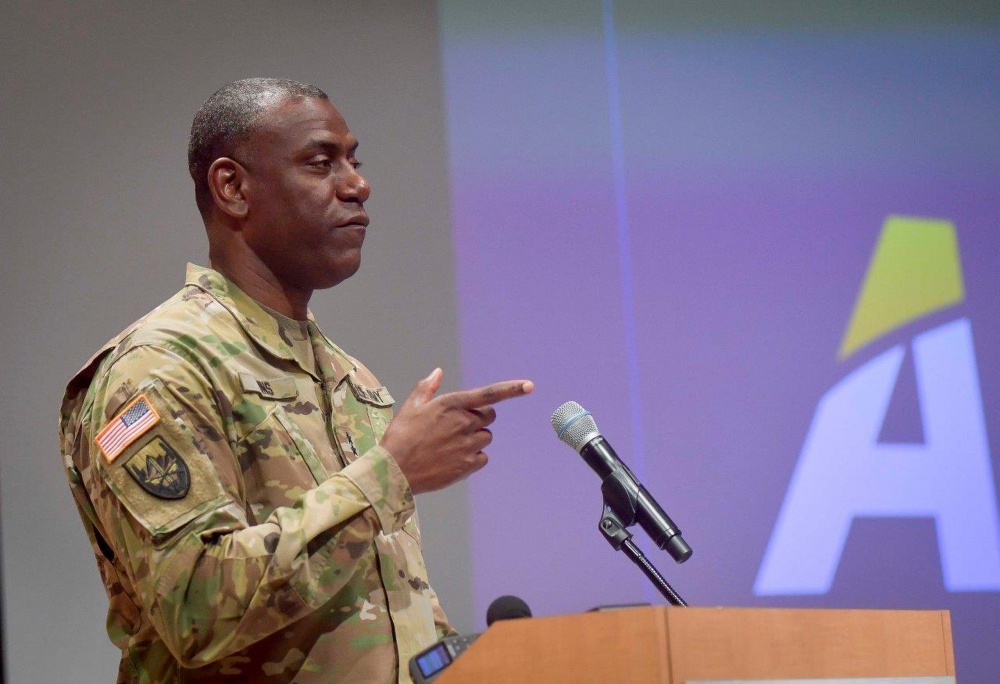
For Maj. Gen. Cedric Wins, when the organization he’s led for 31 months changed its name, its mission, and the four-star headquarters it works for, it finally found the answer to a question it – and the entire Army – have been struggling with for at least 16 years.